 Scroll through Instagram or TikTok long enough and you’ll spot it: someone standing proudly beneath a massive digital billboard in Times Square or on Sunset Boulevard, their face (or podcast logo, or book cover) glowing twenty feet tall. It looks expensive. It looks impossible for a mid-tier creator to afford. And in most cases, it never physically existed at all.
Welcome to the “I’m on a billboard” trend, one of the more clever, low-cost flexes in modern content marketing.
Why Fake Billboards Became a Real Strategy
Billboard advertising in high-traffic locations like Times Square can cost tens of thousands of dollars for even a few seconds of rotation. That price tag puts it firmly out of reach for solo creators, small businesses, and indie authors. But the perception of having “made it big” is still incredibly valuable for personal branding. It signals credibility, scale, and success to an audience scrolling past in seconds.
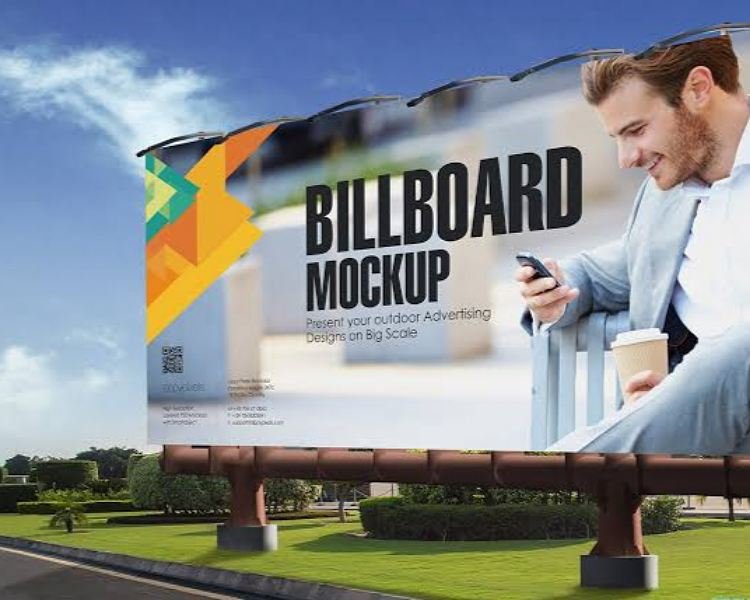
That’s where a Billboard mockup comes in. Instead of paying a media buyer, creators drop their design into a pre-built template that realistically places it onto a photographed billboard, complete with correct lighting, perspective, and urban backdrop. The final image is nearly indistinguishable from a real ad placement but it costs a fraction of the price and takes minutes instead of months of planning.
Who’s Actually Using This Trick
This isn’t a fringe tactic anymore. It’s become a recognizable content format across several niches:
- Podcasters and YouTubers celebrating a subscriber milestone by “announcing” it on a fake Times Square billboard, then posting the image with captions like “still can’t believe this.”
- Self-published authors mocking up their book cover on a highway billboard to make a launch feel like a major publishing event.
- Startup founders using a billboard render in their pitch decks or LinkedIn posts to visualize what brand presence could look like once funding lands.
- Musicians and independent artists dropping an album cover onto a mockup billboard to generate hype before an actual release, sometimes even fueling speculation among fans about whether it’s real.
- Local business owners testing our different ad concepts on a realistic mockup before committing budget to an actual outdoor campaign.
The common thread is simple: a billboard photo triggers an emotional response, scale, ambition, achievement, regardless of whether money was ever spent on media space.
From Marketing Tool to Meme
Ironically, the trend has become self-aware. Plenty of creators now post billboard mockups with a wink, openly captioning them “not sponsored, I just made this in five minutes” or “manifesting until it’s real.” That honesty doesn’t kill the effect. If anything, it makes the post more shareable, because audiences enjoy being let in on the joke rather than being fooled by it.
Brands have picked up on this shift too. Some companies deliberately blur the line between staged mockup and real out-of-home campaign as a teaser strategy, letting followers debate in the comments whether the ad is genuinely live somewhere in the city. It’s a cheap way to generate engagement before ever booking real ad space.
The Practical Side: How Creators Actually Make These Images
Behind the trend is a fairly simple production workflow. A designer or marketer:
- Selects a high-resolution photo of a billboard in a recognizable location.
- Uses design software (often Photoshop) to warp their artwork onto the billboard’s surface, matching perspective and lighting.
- Adjusts color grading so the inserted design blends with the ambient light of the original photo.
- Exports the final image for social media, press kits, or investor decks.
Platforms like ls.graphics have made this workflow accessible to non-designers by offering ready-made scenes, subway billboards, highway signage, city rooftops, storefront displays. So creators don’t need advanced Photoshop skills or a studio budget to produce a convincing result. That accessibility is a big part of why the trend spread so fast: what used to require a professional retoucher can now be done by anyone with a laptop and twenty free minutes.
A Trend That Says More About Perception Than Advertising
At its core, the billboard mockup trend isn’t really about billboards. It’s about how creators build perceived authority in an attention economy where visual signals often matter more than verified facts. A well-composited image can do in one post what months of slow, organic growth might otherwise take to communicate.
Whether it’s used earnestly to celebrate a milestone, playfully as a meme, or strategically as a teaser before a real campaign, the format works because it borrows the emotional weight of traditional advertising without its price tag. And as more creators discover how easy the tools have become, don’t expect this particular flex to disappear from your feed anytime soon. If anything, it’s likely to get more elaborate, more convincing, and more woven into how personal brands present themselves online.